Sep 9, 2024 | Microsoft 365, Solutions
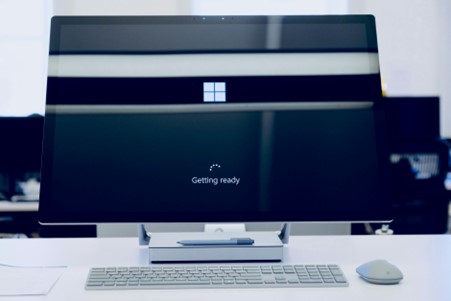
As the end of support for Windows 10 approaches on October 14, 2025, we urge all users to consider upgrading to Windows 11. With no more security updates, patches, or support, continuing to use Windows 10 poses significant risks. Security Concerns When Microsoft...
Sep 4, 2024 | Cybersecurity, Solutions
Wahaya IT’s Guide to Safeguarding Your Devices on the Go Traveling with technology has become indispensable. Whether for work, communication, or entertainment, we rely heavily on our devices. However, traveling exposes these gadgets to various risks— from theft...
Aug 27, 2024 | Artificial Intelligence, Cybersecurity
Phishing 2.0: How AI is Amplifying the Danger and What You Can Do Phishing has always been a threat. Now, with AI, it’s more dangerous than ever. Phishing 2.0 is here. It’s smarter, more convincing, and harder to detect....
Aug 14, 2024 | Cloud Solutions, Technology Trends
Do you want to take your office productivity to the next level? If so, you need to leverage the power of technology. Technology can help you save time, reduce errors, and foster teamwork. But you need to choose the right tools and implement them effectively. In this...
Aug 5, 2024 | Artificial Intelligence, Cybersecurity
Artificial intelligence (AI) is transforming the way businesses operate. It enables innovative solutions and automation capabilities. But it also comes with a severe challenge: AI data breaches. As AI becomes more integrated into your systems, the risks increase. The...
Jul 23, 2024 | Business Continuity
Learn About Microsoft Copilot for Finance If you’re looking for a way to boost your finance productivity, you might want to check out Microsoft Copilot for Finance. This new AI-powered app works with Microsoft 365 to help you with your financial...